
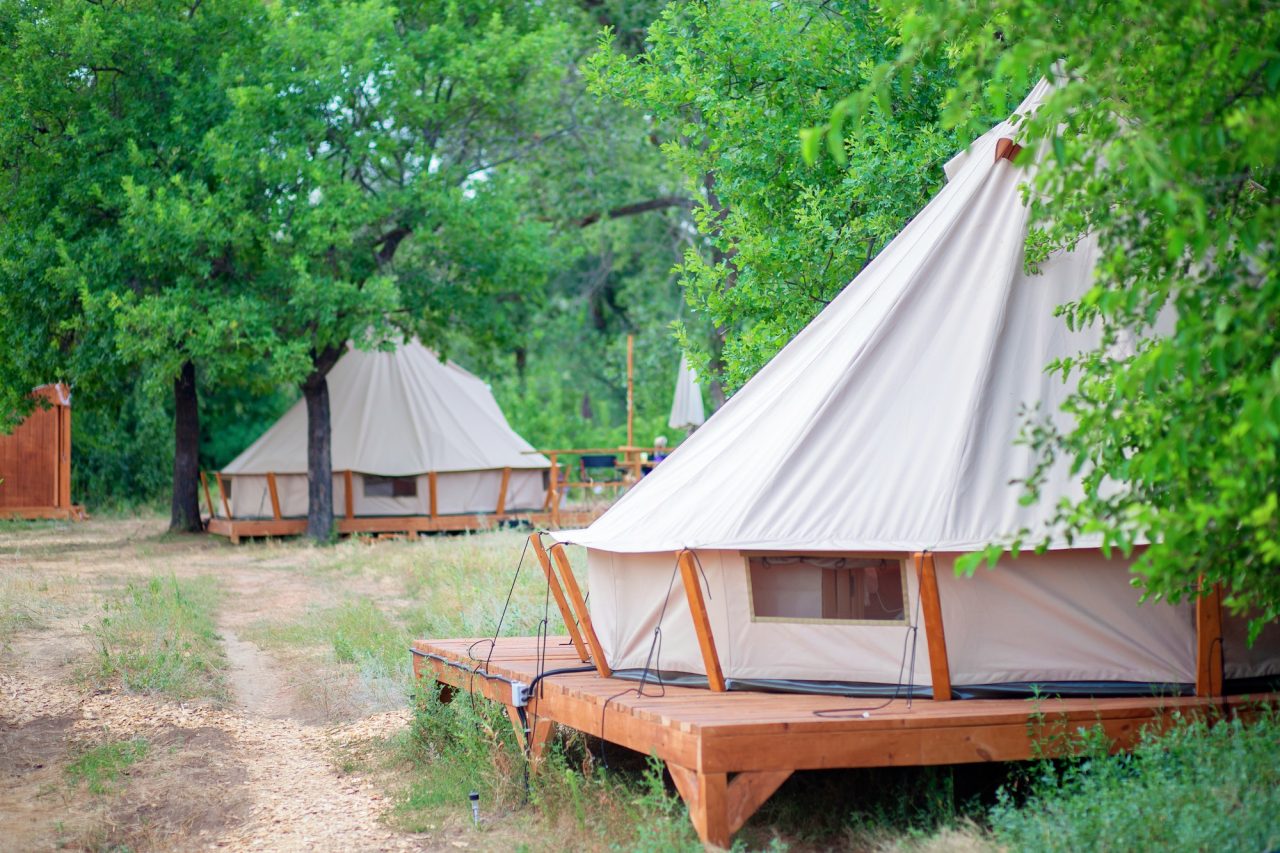
Camping has been around for thousands of years, but there’s far more to it than tents, marshmallows, and sleeping bags. From historical origins to surprising scientific discoveries, the world of camping is packed with interesting facts that most people have never heard before. Whether you’re a seasoned outdoor adventurer or someone who only camps once a year, these little-known camping facts might just surprise you.
1. Camping Became Popular Because of One Man
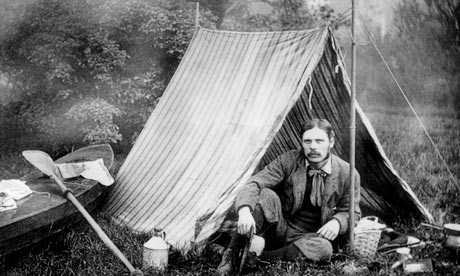
Modern recreational camping owes a lot to a British man named Thomas Hiram Holding. In the early 1900s, he wrote one of the first camping guides and helped turn camping into a leisure activity instead of just a survival necessity. Before that, sleeping outdoors was mostly associated with soldiers, explorers, or workers.
Holding even founded one of the world’s first camping clubs, helping everyday people discover the joy of escaping into nature.
2. Campfires Can Reach Hotter Temperatures Than Lava
A typical campfire can burn at temperatures exceeding 1,100°C (2,000°F). That’s surprisingly close to the temperature of some volcanic lava flows. The bright orange flames may look relaxing, but campfires are incredibly powerful heat sources capable of melting certain metals.
This is why experienced campers always stress proper fire safety—even a small unattended flame can quickly become dangerous.
3. Sleeping Outdoors Can Improve Your Internal Clock
Scientists have found that spending time camping without artificial light can help reset your circadian rhythm—your body’s natural sleep cycle. After just a few days outdoors, many people begin falling asleep earlier and waking up more naturally with the sunrise.
This may explain why so many campers report feeling mentally refreshed after a weekend in nature.
4. Tents Have Ancient Origins
Portable shelters have existed for thousands of years. Ancient nomadic tribes across Asia, the Middle East, and North Africa used sophisticated tent systems long before modern camping gear existed.
Some early tents were made from animal hides, woven goat hair, or felt and were designed to withstand extreme weather conditions.
5. The Smell of Pine Trees Can Reduce Stress
Ever notice how relaxed you feel in the woods? There’s actual science behind it. A wide variety of trees release compounds called phytoncides, which are natural oils that may help reduce stress and improve mood.
This is one reason “forest bathing” has become popular in countries like Japan. Spending time around trees improves mental and physical health.
6. Sleeping Bags Were Inspired by Arctic Survival
The modern sleeping bag was heavily influenced by survival techniques used in Arctic regions. Indigenous peoples developed insulated bedding systems using fur and layered materials to trap body heat in freezing temperatures.
Today’s advanced sleeping bags use synthetic insulation and down feathers, but the core idea remains largely the same: preserve warmth by trapping heat close to the body.
7. You’re Never Truly Alone While Camping
Even the quietest campsite is full of life. A single square metre of forest soil can contain billions of microorganisms, insects, fungi, and microscopic organisms. At night, forests become even more active as nocturnal animals emerge.
Most campers never notice the huge amount of activity happening around them while they sleep.
8. Rain Smells the Way It Does Because of Bacteria
That fresh smell after rain during a camping trip has a name: petrichor. Part of this scent comes from soil-dwelling bacteria that release compounds into the air when rain hits the ground.
The result is the earthy aroma many people associate with peaceful woodland camping mornings.
9. The World’s Largest Tent Was Bigger Than a Football Field
Some tents are far larger than you’d imagine. Massive event tents used for festivals and military operations can cover enormous areas, but one of the largest traditional-style tents ever built reportedly stretched larger than an entire football field.
Modern engineering has transformed tents from simple shelters into huge temporary structures capable of housing thousands of people.
10. Camping May Boost Creativity
Spending time in nature without constant phone notifications and screens can improve creative problem-solving skills. Many people experience clearer thinking after disconnecting from technology and spending time outdoors.
That’s one reason camping and glamping trips are often described as mentally “resetting.” Nature encourages the brain to slow down, focus, and think differently.
To Conclude
Camping is much more than the fun of pitching a tent and cooking outdoors. It connects people with history, science, psychology, and the natural world in ways most never realise. From ancient survival shelters to stress-reducing forests and creativity-boosting adventures, camping offers far more benefits than simply escaping everyday life.
The next time you sit beside a campfire under the stars, remember—you’re taking part in a tradition that stretches back thousands of years.